
What does a real estate agent do? In simple terms, they manage the sale of a property on behalf of the owner, from pricing and preparation through to marketing, negotiation and settlement.
The role of a real estate agent is to represent the seller’s interests throughout the transaction while communicating fairly and honestly with prospective buyers.
Looking for the best real estate agents in Launceston and Hobart?

What Are the Main Responsibilities of a Real Estate Agent?
The responsibilities of a real estate agent extend well beyond listing a property and conducting inspections.
Day-to-day responsibilities can include:
- Property appraisals and pricing advice
- Marketing campaigns, photography and advertising
- Buyer enquiries, inspections and open homes
- Collecting and communicating buyer feedback
- Managing offers and negotiations
- Liaising with conveyancers, solicitors and other parties through to settlement
Communication and negotiation are central to the role. A good agent keeps the seller informed while ensuring the sales campaign continues to move forward.
Legal Responsibilities of a Real Estate Agent
Real estate agents in Australia are licensed at a state or territory level, meaning specific requirements vary depending on where they operate.
Agents must comply with the legislation relevant to their jurisdiction, along with broader requirements such as Australian Consumer Law.
What Do Real Estate Agents Do for Sellers?
So, what do real estate agents do for sellers specifically?

For most sellers, an agent’s involvement begins with the property appraisal and continues through preparation, marketing, buyer management, negotiation and settlement.
1. Preparing and Pricing the Property
An agent assesses the property using factors such as:
- Comparable recent sales
- Current buyer demand
- Location
- Property condition
- Land size
- Individual property features
This information helps establish an appropriate pricing strategy.
An agent may also advise on presentation and whether particular improvements are worthwhile before the property goes to market.
2. Marketing and Buyer Management
Once the strategy is established, the agent coordinates the marketing campaign.
Depending on the property, this can include professional photography, online listings, signage, print advertising and other suitable marketing channels.
The agent then manages enquiries and inspections while providing the seller with feedback from prospective buyers. This information can help guide the campaign as it progresses.
3. Negotiating the Sale
When offers are received, the agent manages negotiations between the buyer and seller.
This includes discussing price and conditions, communicating offers and helping the seller understand how each offer compares with their objectives and current market conditions.
Negotiation is an important part of what a real estate agent does, particularly when there are multiple interested buyers or competing offers.
What Do Real Estate Agents Do for Buyers?

Understanding what real estate agents do for buyers requires an important distinction: the selling agent is appointed by and represents the seller.
However, agents still play an important role in helping buyers navigate the transaction.
This can include:
- Identifying properties that may suit their requirements
- Providing factual information about properties
- Arranging inspections
- Answering property-related enquiries
- Communicating offers to the seller
- Facilitating negotiations between both parties
The seller ultimately decides whether to accept, reject or negotiate an offer.
Selling Agent vs Buyer’s Agent
A selling agent represents the property owner, whereas a buyer’s agent is engaged directly by the purchaser.
A buyer’s agent works on the buyer’s behalf to identify suitable properties and negotiate a purchase.
What Does a Real Estate Agent Do During the Sales Process?

The role of a real estate agent generally follows a clear process from the initial appraisal through to settlement.
- Property appraisal – assessing the property and current market.
- Formal appointment – establishing the agency agreement, fees and services.
- Sales strategy – determining pricing and the method of sale.
- Property preparation – preparing the property for market.
- Marketing and launch – presenting the property to prospective buyers.
- Inspections and buyer management – managing enquiries and feedback.
- Offers and negotiation – communicating and negotiating buyer offers.
- Contract and settlement – assisting the parties through to completion.
Once an offer is accepted, the agent continues to liaise with the relevant parties as the transaction progresses towards settlement.
Read our guide on selling a house in Tasmania.
What Real Estate Services Are Available in Australia?
Real estate services in Australia can extend beyond residential property sales.
Depending on the agency, services may include:
- Residential property sales
- Commercial property sales
- Property management
- Short stay management
- Property appraisals
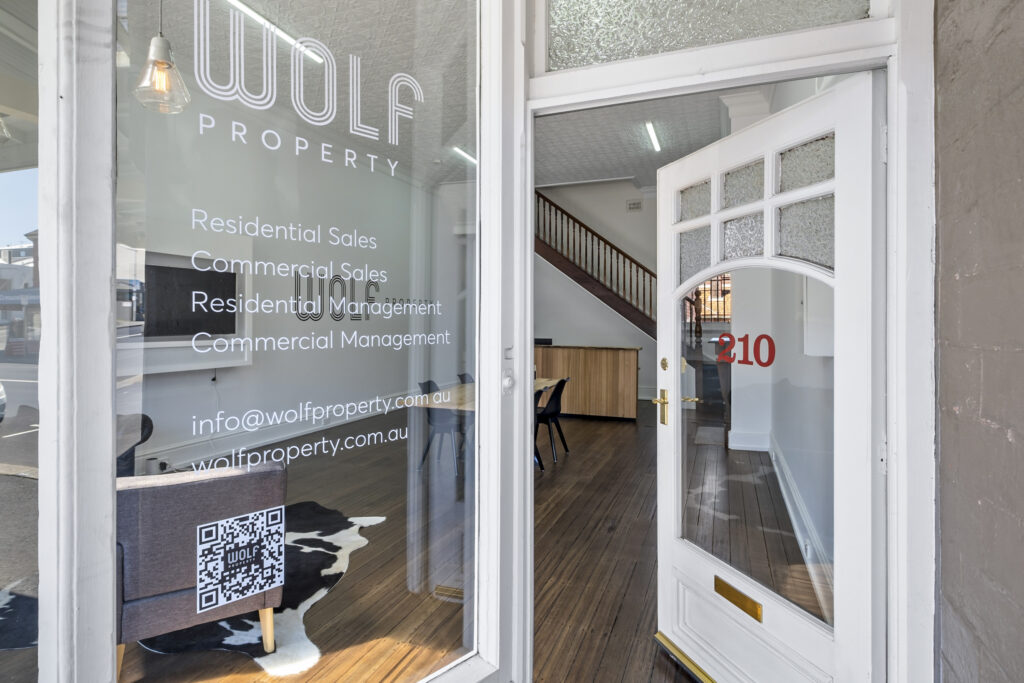
Wolf Property provides property sales, residential property management, commercial property services and short stay management.
Different areas of real estate require different experience, so property owners should consider whether an agency has relevant expertise for their particular needs.
Read our guide on ‘What is property management?’.
Do You Need a Real Estate Agent to Sell a Property?
Property owners can choose to sell privately rather than appointing an agent.
Doing so means taking responsibility for many of the tasks an agent would ordinarily manage, including:
- Establishing a pricing strategy
- Preparing and marketing the property
- Managing buyer enquiries
- Conducting inspections
- Negotiating directly with buyers
Professional legal or conveyancing assistance will still be required for aspects of the transaction.
An experienced agent can be particularly valuable when pricing is complex, buyer competition needs to be managed or the seller doesn’t want to handle the marketing and negotiation process themselves.
How Do You Choose a Good Real Estate Agent?
Choosing the right agent should involve more than comparing commission or accepting the highest appraisal.
Consider:
- Local market knowledge
- Relevant recent sales
- Communication
- Negotiation experience
- Proposed marketing strategy
- Pricing approach
- Fees and agreement terms
An agent with relevant experience should be able to explain their recommendations and support their pricing strategy with market evidence.
For a more detailed breakdown, read our guide on how to choose a real estate agent.
Speak With Wolf Property
A real estate agent manages the sales process from pricing and preparation through to marketing, buyer management, negotiation and settlement.
Thinking about selling? Speak with Wolf Property and request a property appraisal.