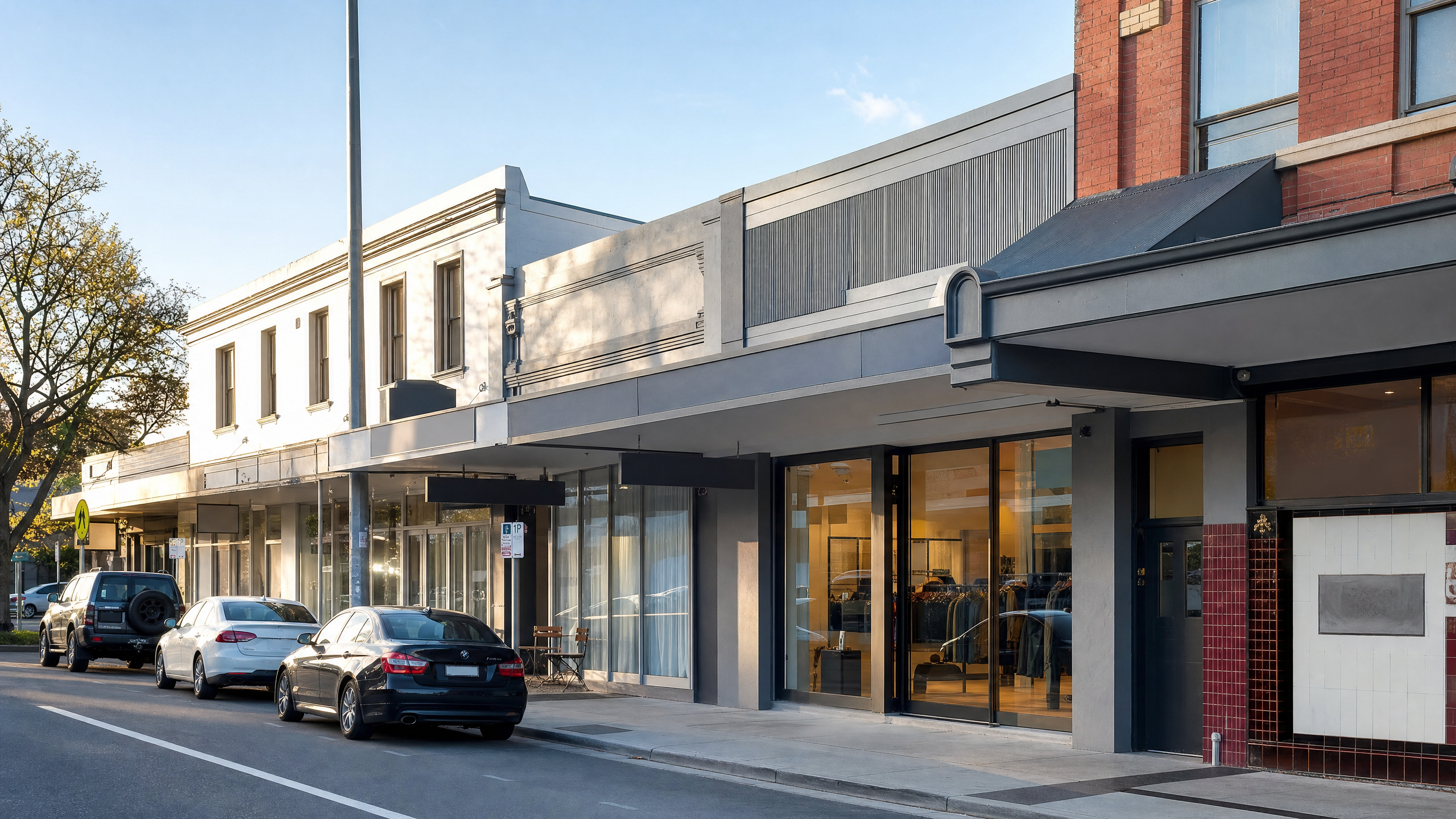
Investing in commercial property can provide rental income and long-term capital growth, but it works differently from residential property investment.
Longer leases, different financing requirements, tenant quality and vacancy risk all need to be considered. This guide covers what to look for, how commercial property investment works and the key considerations before buying.
What Is a Commercial Property?
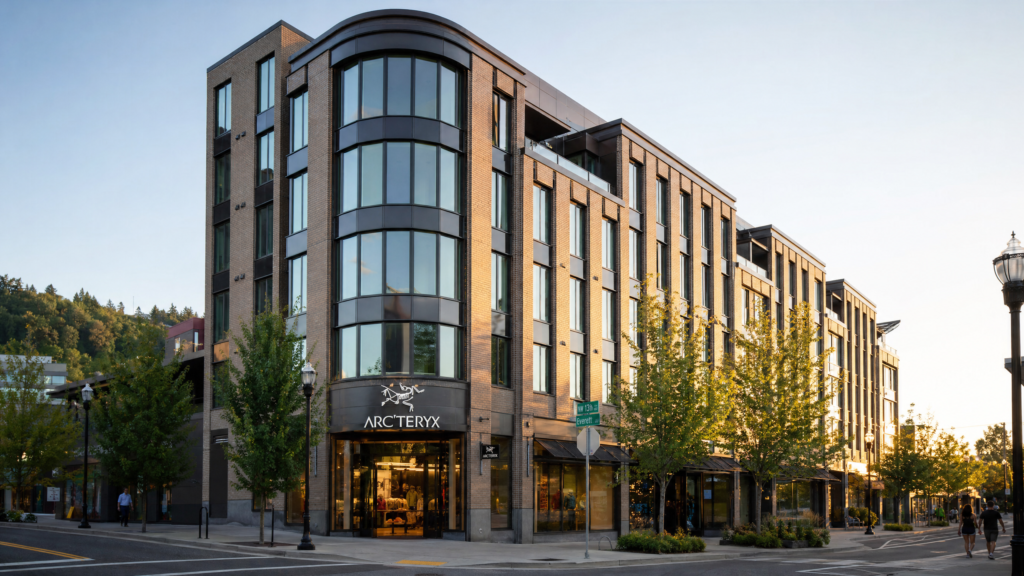
A commercial property is a premises primarily used for business rather than residential purposes. The property is typically leased to a business, with its income and value closely influenced by the tenant and lease terms.
Common types include:
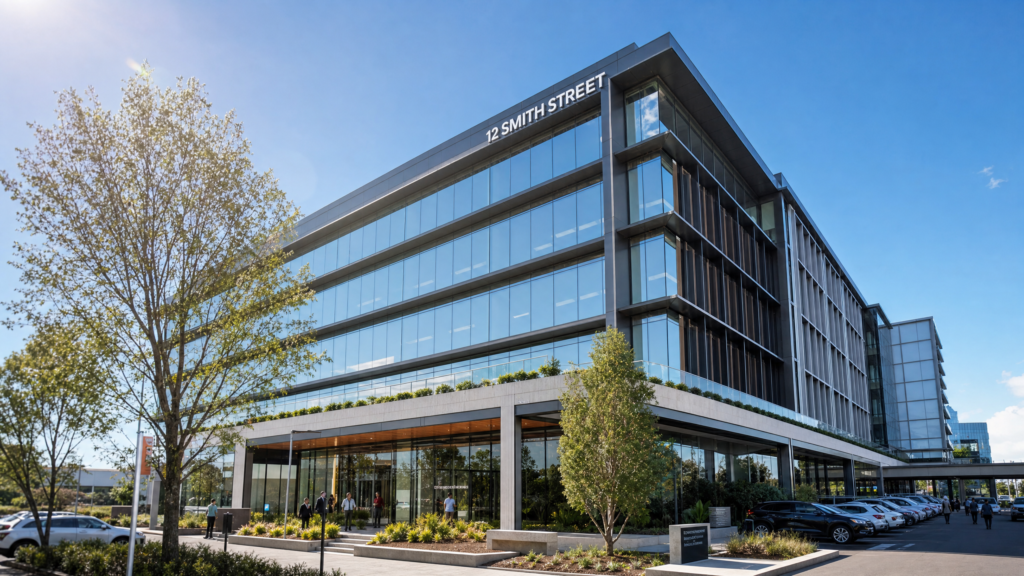
- Office: Space for professional or administrative businesses.
- Retail: Shops and premises used to sell goods or services.
- Industrial and warehouse: Storage, manufacturing, logistics and distribution facilities.
- Hospitality: Hotels, pubs and restaurants.
- Medical and specialist: Consulting rooms, clinics and allied health premises.
- Mixed-use: Developments combining commercial and residential spaces.
The type of commercial property can influence its lease structure, outgoings, tenant demand and how easily the property can be re-let.
Looking for commercial property management in Tasmania?
How Does Commercial Real Estate Investment Work?
Commercial real estate investment generally produces returns through rental income and potential capital growth.
Commercial leases are often longer than residential leases and may include fixed, CPI-linked or market-based rent reviews.
Outgoings are another important consideration. Depending on the lease, the tenant may contribute towards costs such as rates, insurance and maintenance, while other costs remain the owner’s responsibility.
Why Tenant and Lease Quality Matter
The strength of the tenant and remaining lease term can have a significant influence on the property.
A financially stable tenant with a longer lease can provide greater income certainty. Conversely, if a commercial property becomes vacant, finding a suitable replacement tenant may take considerably longer than with a residential property.
How to Invest in Commercial Property
Understanding how to invest in commercial property starts with establishing your budget and objectives.
Are you primarily looking for rental income, capital growth or a combination of both? From there, consider the sector, location, tenant demand, vacancy conditions and individual property.

What to Look for in a Commercial Investment
Important considerations include:
- Location: Access, surrounding businesses, population and infrastructure.
- Tenant quality: Financial strength and trading history.
- Lease term: Remaining lease length and renewal options.
- Rental income: Current rent compared with the wider market.
- Vacancy: Demand for similar commercial premises in the area.
- Property condition: Existing maintenance and potential future costs.
- Supply and demand: Existing and planned competing properties.
- Future potential: Ability to improve, reconfigure or adapt the property.
No single factor determines whether a property is a good investment. The property, tenant, lease and surrounding market should be considered together.
How to Buy Commercial Property in Australia
The process of how to buy commercial property in Australia generally involves research, finance approval, making an offer, due diligence, contract exchange and settlement.
Get in touch if you’re looking for commercial property in Tasmania.
1. Commercial Property Finance
Commercial lending differs from residential finance, with different deposit requirements and lending criteria. Investors should understand their borrowing position before committing to a property.
2. Legal and Lease Considerations
A solicitor or conveyancer can review the contract and existing lease, including tenant obligations, lease terms and conditions that may affect the investment.
3. Tax and Ownership Structure
Commercial property can have different GST, capital gains tax and depreciation considerations. An accountant can provide advice on taxation and the most appropriate ownership structure for your circumstances.
Commercial Property Due Diligence
Due diligence is particularly important when investing in commercial property because you’re assessing more than the physical building.
The property, tenant, lease and surrounding commercial market should all be investigated before purchasing.

Understanding the Commercial Lease
Consider:
- How long remains on the lease?
- Does the tenant have options to renew?
- How are rent reviews structured?
- Who is responsible for the property’s outgoings?
- What maintenance obligations sit with the landlord?
- Are there conditions that could affect future income?
The lease can directly influence the property’s income and appeal to future investors.
Due diligence should also consider the tenant’s financial position, property condition, zoning and permitted use, upcoming capital works and competing commercial supply.
Commercial Property Returns in Australia
Commercial property returns in Australia generally come from rental income and potential capital growth.
Rental yield measures annual rental income against the property’s value. However, the advertised yield doesn’t necessarily represent the investor’s final return.
Vacancy, maintenance, unrecovered outgoings, financing and other ownership costs can all reduce the income ultimately retained by the owner.
Does a Higher Yield Mean a Better Investment?
Not necessarily.
A higher yield may compensate investors for additional risk, such as a shorter lease, weaker tenant, less desirable location or greater vacancy risk.
Rather than assessing yield in isolation, consider the return alongside the tenant, lease and overall risk profile.
Risks of Investing in Commercial Property
Like any investment, commercial property comes with risks.
Some of the main considerations include:
- Longer potential vacancy periods
- Reliance on individual commercial tenants
- Economic or industry-specific downturns
- Property maintenance and capital expenditure
- Changes in financing costs
- Changes in local commercial property demand
Investors can manage some of these risks through careful due diligence, strong lease structures, appropriate financing and maintaining a financial buffer for unexpected costs or vacancies.
Commercial vs Residential Property Investment
Commercial and residential property have different risk, income and management characteristics.
| Commercial Property | Residential Property | |
| Typical lease length | 3 to 10 Years | 6 to 12 Months |
| Standard yield | Generally higher | Generally lower |
| Vacancy risk | Often longer and harder to predict | Shorter, larger tenant pool |
| Outgoings | Paid partly or fully by the tenant | Usually paid by the owner |
| Management requirements | Lease and tenant management can be more complex | More standardised processes and regulation |
| Financing | Larger deposits, different lending criteria | Smaller deposits, lenders mortgage insurance available |
Neither is inherently better. The appropriate investment depends on your financial position, objectives and tolerance for risk.
Is Investing in Commercial Property a Good Idea?
Investing in commercial property can suit investors looking for longer lease terms and rental income who are comfortable with the additional complexity and potential vacancy risk.
A strong commercial investment generally needs to be assessed across several areas:
- Property and location
- Tenant quality
- Lease structure
- Rental income
- Vacancy risk
- Financing
- Future property costs
First-time commercial investors should be particularly careful about focusing on headline yield without considering the tenant, lease and underlying property.
Speak With Wolf Property About Commercial Property
Successful commercial property investment requires a clear understanding of the property, tenant, lease, income and potential risks.
Considering buying, selling or managing commercial property? Speak with Wolf Property about your commercial property requirements.