
Property management is the operation, control and oversight of real estate on behalf of a property owner. It involves managing residential or commercial properties to ensure they are well maintained, compliant, and consistently generating income.
For landlords, understanding what property management is — and what it actually involves — is key to protecting your investment and achieving long-term performance.

What Is Property Management?
Property management involves overseeing a property on behalf of the owner, ensuring it is maintained to a high standard while delivering reliable returns.
While many associate the role with rent collection, professional property management services extend far beyond this. It’s a complete approach to managing tenants, maintenance, compliance and financial performance.
Who Uses Property Management?
Property management is suited to:
- Investors looking to maximise returns
- Owners wanting to reduce time and day-to-day involvement
- Landlords seeking to minimise risk and ensure compliance
What Does a Property Manager Actually Do?
A property manager is responsible for the day-to-day performance of a rental property — balancing tenant experience, asset protection and financial outcomes.

Key Responsibilities
- Screening tenants to reduce risk and ensure reliability
- Managing rent collection, tracking and arrears
- Coordinating maintenance and repairs through trusted trades
- Conducting routine inspections to maintain property condition
- Handling tenant communication and issue resolution
- Managing disputes and ensuring compliance with lease terms
We offer professional rental property management in Hobart – designed to keep properties occupied, well maintained and performing consistently.
Property Management Services Explained
Full-service property management services provide end-to-end oversight, allowing landlords to take a hands-off approach while maintaining confidence in their investment.
What’s Included
- Tenant sourcing and leasing strategy
- Rent collection and structured financial reporting
- Ongoing maintenance coordination
- Lease renewals and rent reviews aligned with market conditions
- Compliance with current legislation and regulations
Property managers act as both an operational partner and a safeguard — ensuring the property is managed correctly at every stage.
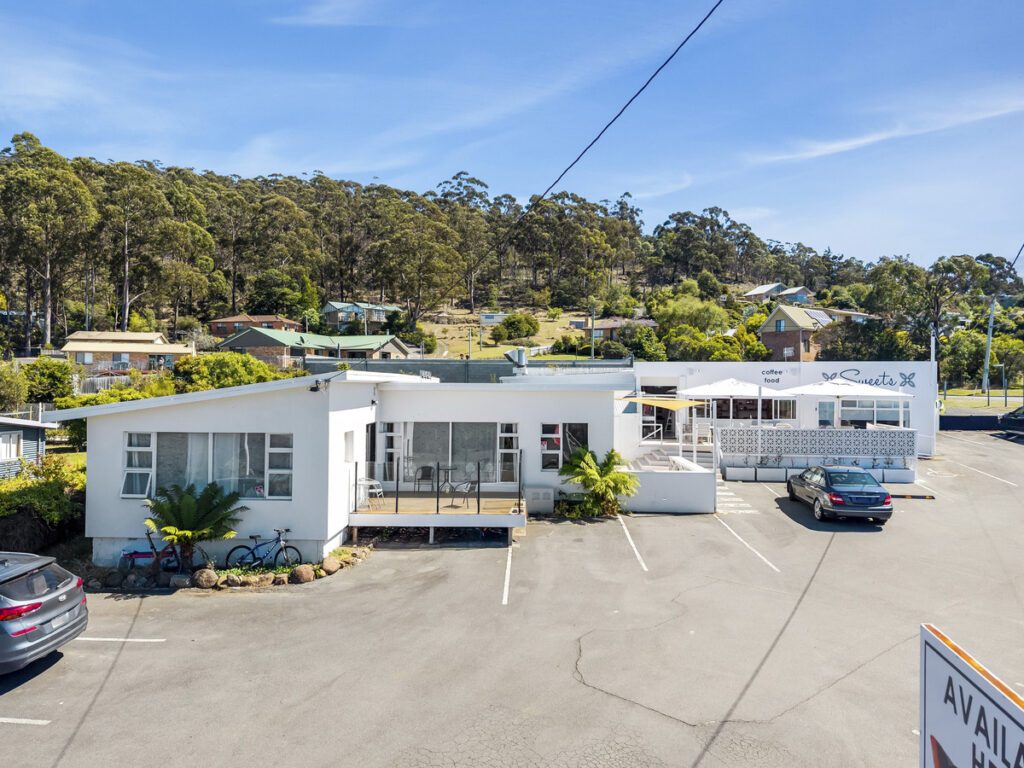
Residential vs Commercial Property Management
Understanding the difference between residential and commercial property management services is important when assessing your needs.
Residential Property Management
- Standardised lease agreements
- Focus on tenant stability and consistent occupancy
- Typically structured as a percentage of rental income
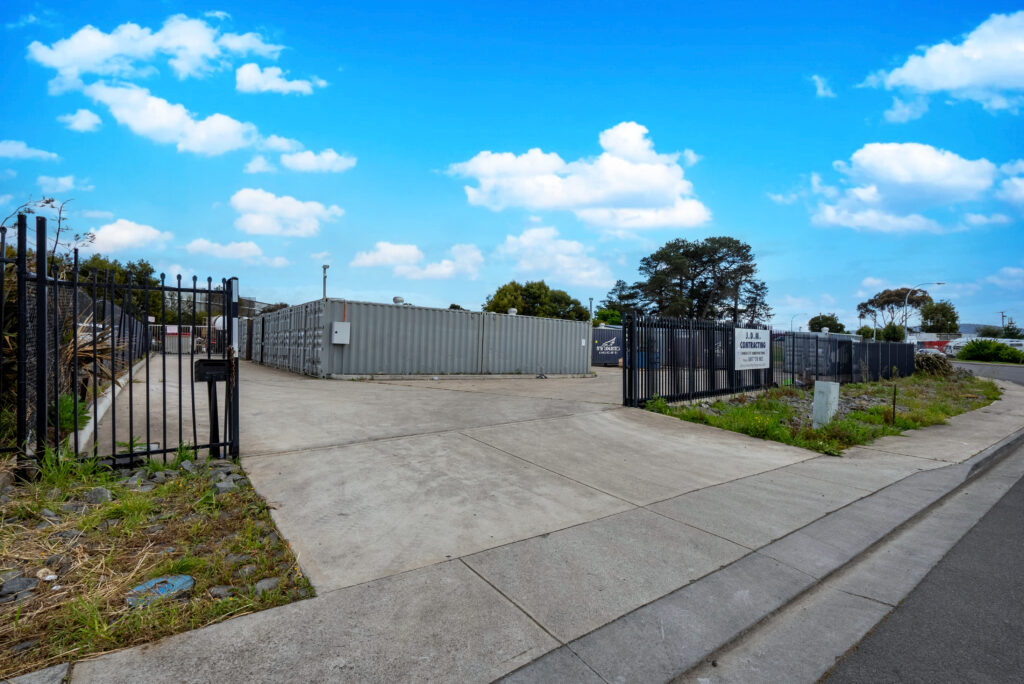
Commercial Property Management
- Negotiated, often long-term lease agreements
- Business-focused tenant requirements
- More complex financial and compliance structures
- Flexible and tailored fee arrangements
Commercial property management generally involves a more strategic and customised approach due to the nature of the assets and agreements.
How Much Does Property Management Cost?
Property management fees in Australia are typically structured to reflect the level of service and complexity of the property.
Common Fee Structures
- Percentage-based fees aligned with rental income (residential)
- Fixed or negotiated fees (commercial)
Additional Costs to Consider
- Letting or leasing fees when securing a tenant
- Lease renewal fees
- Monthly administration fees
While cost is an important factor, the focus should be on overall value — particularly in terms of time saved, risk reduced and income protected.
The Benefits of Hiring a Property Manager
The key benefits of property management centre around performance, protection and efficiency.
Key Advantages
- Reduced day-to-day involvement for the owner
- Lower exposure to legal and financial risk
- Improved rental performance through active management
- Reduced vacancy periods through strategic leasing
- Ongoing compliance with current legislation
Self-managing a property can quickly become complex, particularly when dealing with tenants, maintenance and regulatory requirements.
When Should You Hire a Property Manager?
Many landlords consider whether they should hire a property manager at different stages of ownership.
When It Makes Sense
- Managing the property becomes time-intensive
- Tenant or maintenance issues become difficult to manage
- You want to ensure compliance and reduce risk
- You are looking to improve consistency of returns
Property management is not limited to large portfolios — even a single property can benefit from professional oversight.
Final Thoughts: Is Property Management Worth It?
Property management is ultimately about ensuring your investment is protected, compliant and performing as it should.
What to Look For in a Property Manager
- Clear communication and transparency
- Strong understanding of the local market
- A proactive and structured management approach
- Focus on both asset protection and income performance
For landlords in Tasmania, working with the right property manager provides confidence that your property is being managed with care, consistency and long-term value in mind.
Get in touch with a Property Manger in Hobart or a Property Manager in Launceston.