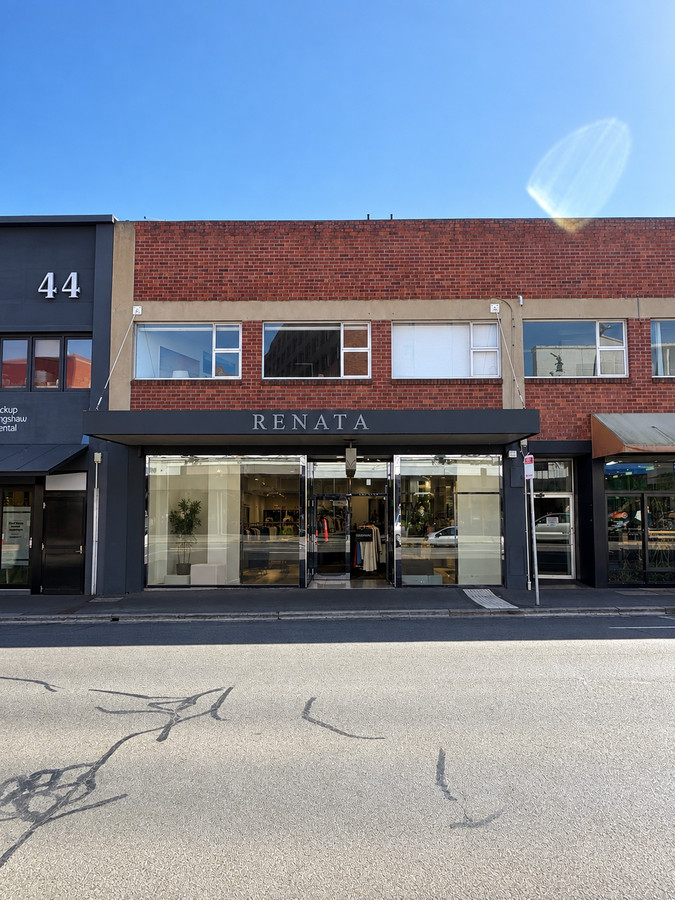
A commercial property manager handles the day-to-day management of an investment property on behalf of the owner. This includes tenants, leases, rent collection, maintenance, reporting and compliance.
Effective commercial property management reduces the owner’s day-to-day involvement while helping protect the property’s income and condition.
Table of contents
- What Does a Commercial Property Manager Do?
- Managing Commercial Tenants and Leases
- Rent Collection and Financial Management
- Property Maintenance and Inspections
- Managing Commercial Property Compliance
- Why Use a Commercial Property Manager?
- Choosing a Commercial Property Manager in Tasmania
- Is Professional Management Right for Your Property?
What Does a Commercial Property Manager Do?
A commercial property manager acts on behalf of the owner to keep the property and tenancy running effectively.


Their main responsibilities include:
- Managing tenants and leases
- Collecting rent and monitoring arrears
- Coordinating maintenance and repairs
- Managing rent reviews and lease renewals
- Tracking property and lease obligations
- Providing financial reporting
- Communicating with owners and tenants
Commercial vs Residential Property Management
Commercial property management can be more complex than residential management because commercial leases are individually negotiated and often run for longer periods.
They can include specific terms around rent reviews, outgoings, permitted use, renewal options and make-good obligations.
This means the manager needs to understand the individual lease as well as the property itself.
Managing Commercial Tenants and Leases
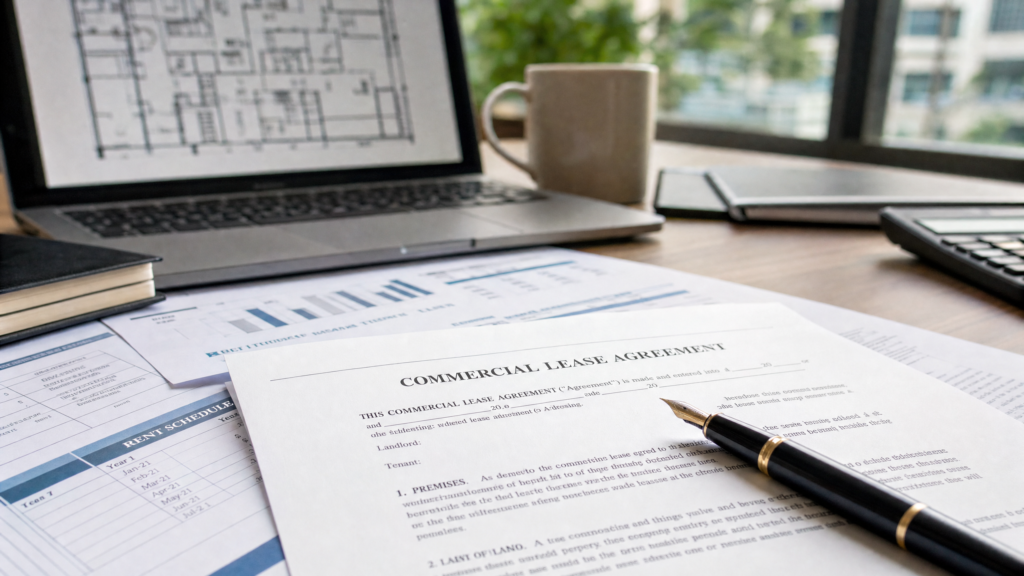
Lease management is a major part of a commercial property manager’s role.
This can include:
- Communicating with tenants
- Monitoring important lease dates
- Coordinating lease documentation
- Managing renewals and rent reviews
- Monitoring tenant obligations
- Managing the end of a tenancy
Rent Reviews and Lease Renewals
Commercial leases may include fixed, CPI-linked or market-based rent reviews.
The property manager tracks when these reviews are due and applies the mechanism set out in the lease.
They should also raise upcoming lease expiries early, giving the owner time to consider a renewal, renegotiation or finding a new tenant.
Rent Collection and Financial Management
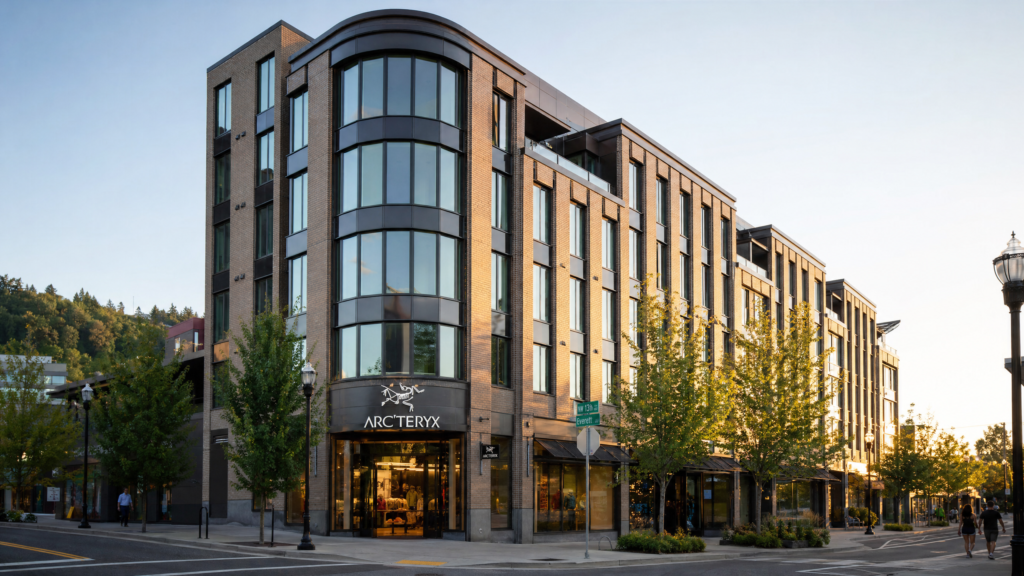
Commercial property managers oversee the financial administration of the tenancy.
This typically includes:
- Collecting rent
- Monitoring arrears
- Managing recoverable outgoings
- Tracking bonds or bank guarantees
- Providing financial statements to the owner
Managing Rental Arrears
If a tenant falls behind, the manager should act quickly.
This generally starts with contacting the tenant and understanding the situation. If arrears continue, the manager can follow the process set out in the lease and seek appropriate legal advice where required.
Property Maintenance and Inspections
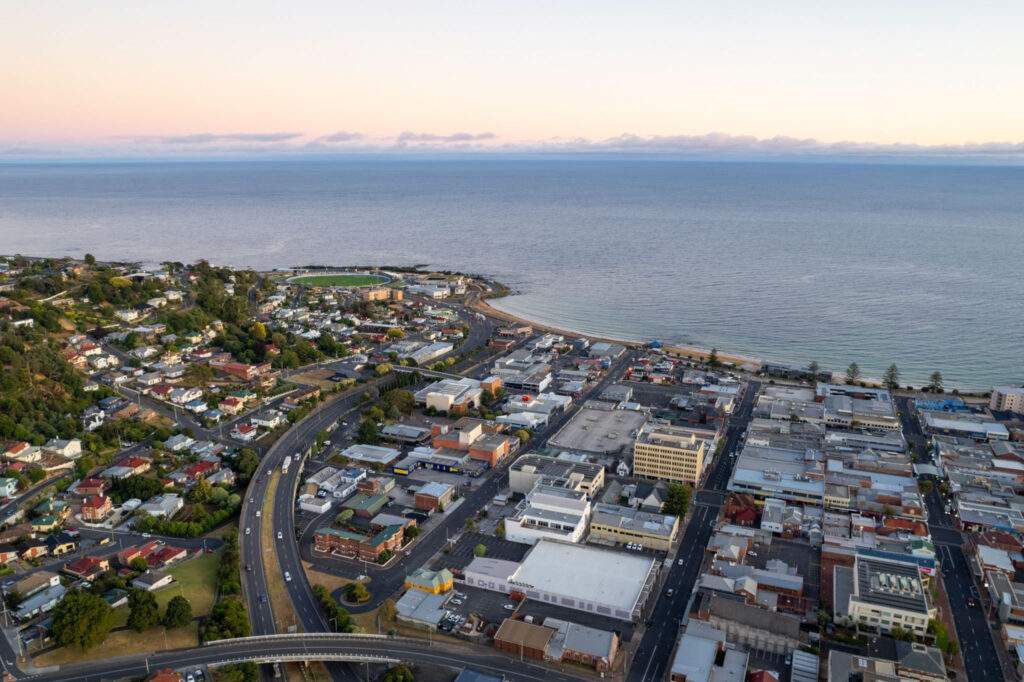
A commercial property manager coordinates maintenance and repairs, including organising tradespeople, obtaining quotes and keeping the owner informed of larger expenses.
Regular inspections also help identify issues before they become more costly.
Inspections may consider:
- General building condition
- Common areas and services
- Maintenance requirements
- Tenant use of the premises
- Safety or compliance issues
Responsibility for individual repairs and costs will depend on the terms of the lease.
Managing Commercial Property Compliance
A commercial property manager also helps keep track of requirements affecting the property and tenancy.
Depending on the property, this can include:
- Lease obligations
- Insurance documentation
- Building and safety requirements
- Permitted use
- Rent review dates
- Lease renewals and expiries
The requirements vary between properties, which is why accurate lease and property records are important.
Why Use a Commercial Property Manager?

Professional management can reduce the amount of time an owner spends dealing with the day-to-day operation of their commercial investment.
Key benefits include:
- Less direct tenant management
- Regular oversight of rent and arrears
- Lease dates and obligations being tracked
- Maintenance being coordinated
- Regular property inspections
- Clear financial reporting
Professional management can be particularly valuable for owners with multiple tenants, complex leases or properties they cannot regularly attend themselves.
It can also help when purchasing commercial properties for sale, where existing leases and tenant obligations need to be understood from the outset.
Choosing a Commercial Property Manager in Tasmania
When choosing a manager for commercial property in Tasmania, consider:
- Experience managing commercial property
- Understanding of commercial leases
- Local market knowledge
- Financial reporting
- Communication
- Maintenance processes
- Clear management fees
Commercial experience matters. Managing an office, retail property or industrial premises requires a different approach from managing a residential tenancy.
Local knowledge can also help when assessing rental conditions, tenant demand, lease renewals and vacancy risk.
Is Professional Management Right for Your Property?
A commercial property manager can help protect income, manage tenants, coordinate maintenance and keep important lease obligations on track.
For owners who want less involvement in the day-to-day management of their investment, professional management can provide greater oversight without requiring them to manage every issue themselves.
If you’re looking for commercial property management in Tasmania, speak with a specialist at Wolf Property.