
The Hobart real estate market offers some characteristics investors won’t find in Australia’s larger capitals. It’s a smaller market with limited housing supply, strong rental demand and conditions that can vary considerably between suburbs.
Whether Hobart is right for you depends on your goals, timeframe and the property you choose. Here’s what to consider before investing.
Table of contents
- What Is the Hobart Real Estate Market Like?
- Why Invest in Hobart Property?
- What Should You Look for in a Hobart Investment Property?
- Which Areas of Hobart Should Investors Consider?
- What Are the Risks of Investing in Hobart Real Estate?
- Residential vs Commercial Property Investment in Hobart
- Is Hobart Real Estate a Good Investment?
What Is the Hobart Real Estate Market Like?
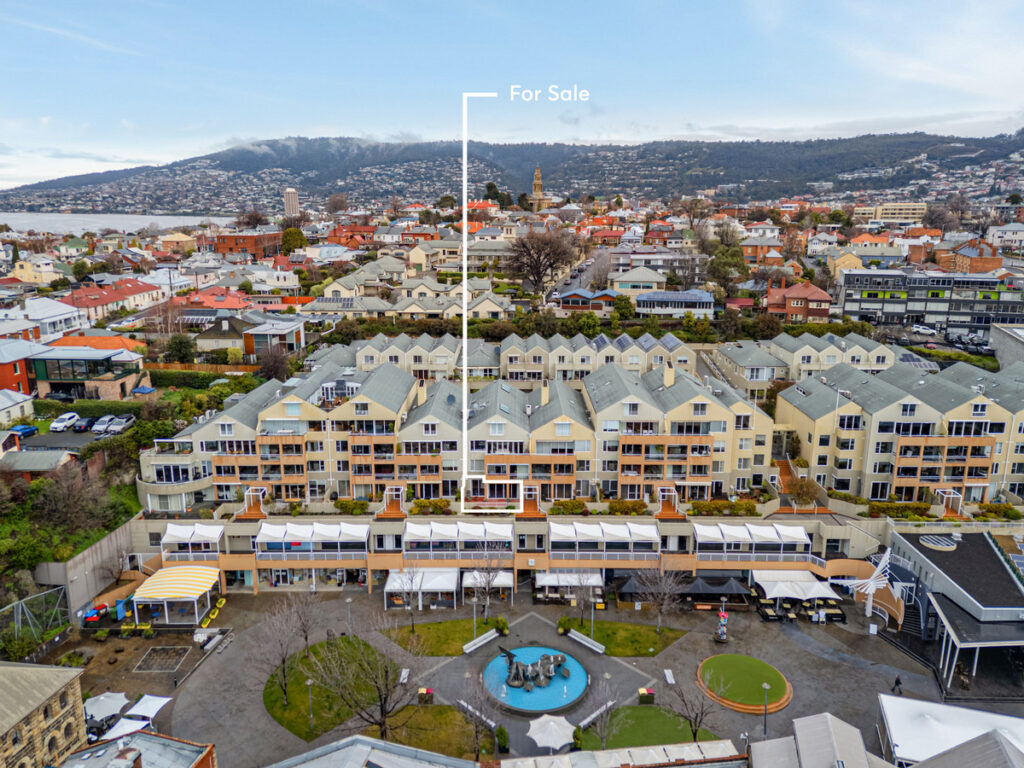

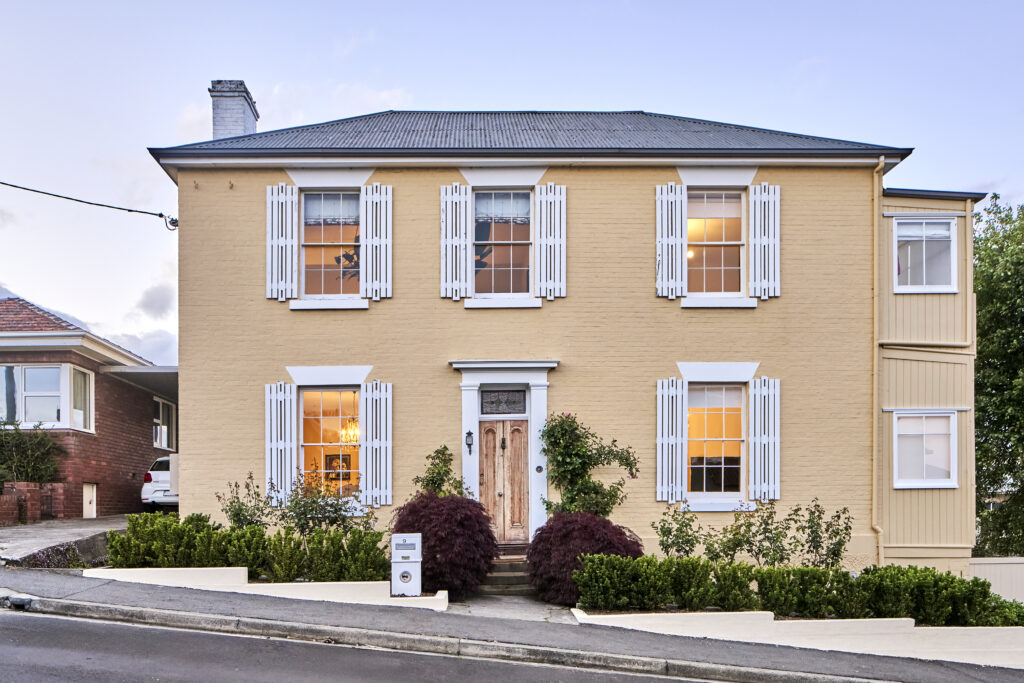
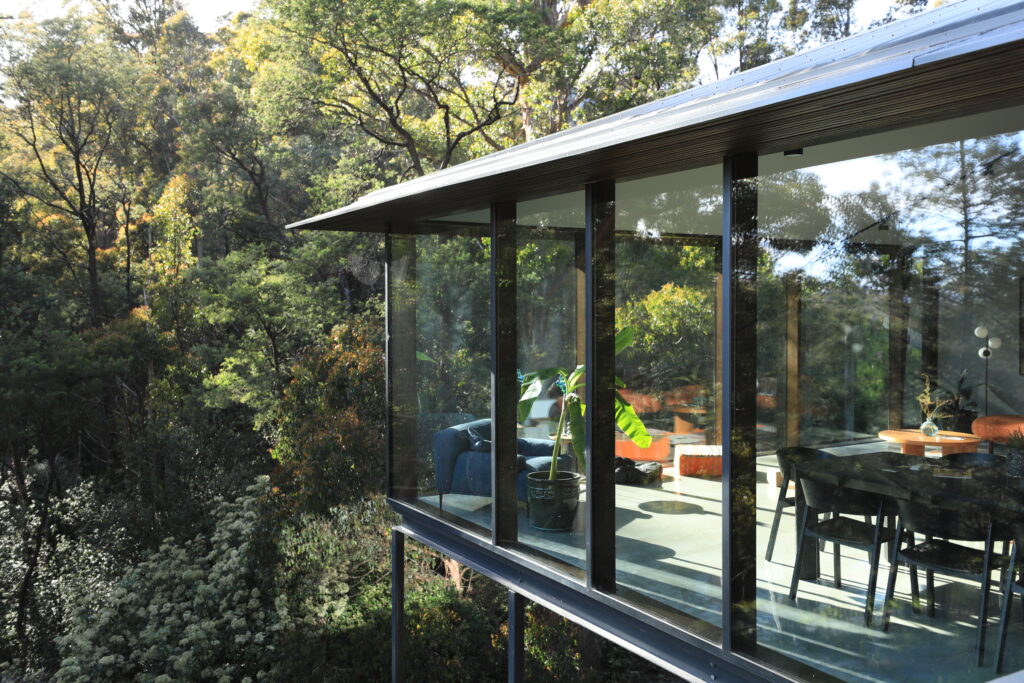
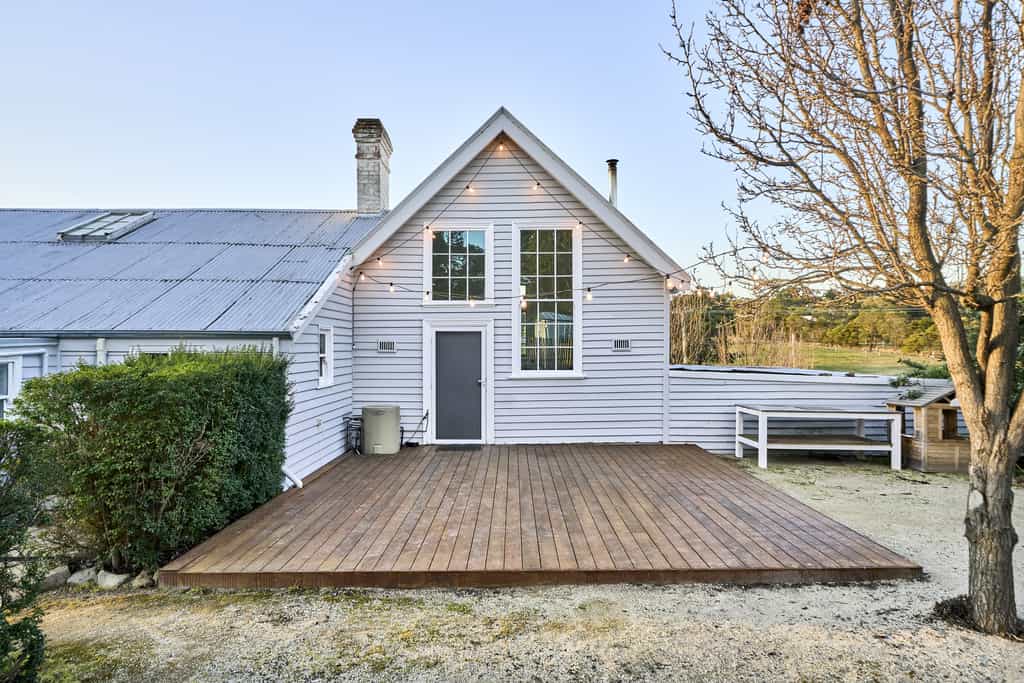
Hobart’s size and geography have a significant influence on its property market. Limited available land and a relatively small housing supply can place pressure on both purchasing and rental markets.
The Hobart real estate market can also behave differently from mainland capitals. Recent market data has shown Hobart holding relatively firm while values have softened across several larger markets.
That doesn’t mean every part of Hobart performs equally. Property type, price point and suburb can produce very different results, making local research particularly important.
Why Invest in Hobart Property?
Rental demand is one of Hobart’s main attractions for property investors.
Recent data has shown low vacancy rates and comparatively strong rental yields. This can create opportunities for investors seeking rental income alongside potential longer-term capital growth.
Other factors investors may consider include:
- Limited housing supply
- Strong rental demand
- Competitive rental yields
- A relatively accessible entry point compared with some mainland capitals
- Different opportunities across Greater Hobart
Past performance, however, doesn’t guarantee future growth. Each property needs to be assessed on its own merits.
What Should You Look for in a Hobart Investment Property?
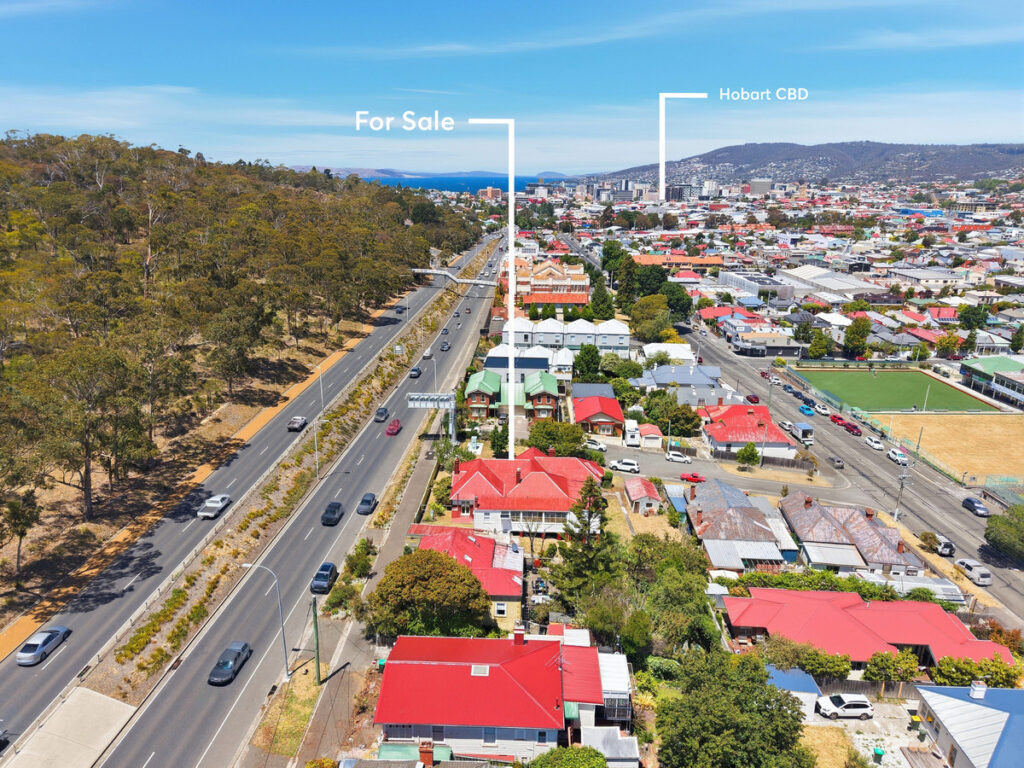
A good investment property should suit demand in its specific area rather than simply following city-wide trends.
Consider:
- Rental demand for the property type
- Location and access to employment, services and transport
- Purchase price and expected rental income
- Vacancy rates
- Property condition and maintenance requirements
- Land tax and other holding costs
- Future development or zoning potential
Neighbouring suburbs can perform differently, so understanding local demand is important when assessing opportunities in the Hobart real estate market.
You can also explore Hobart residential property currently available through Wolf Property.
Which Areas of Hobart Should Investors Consider?
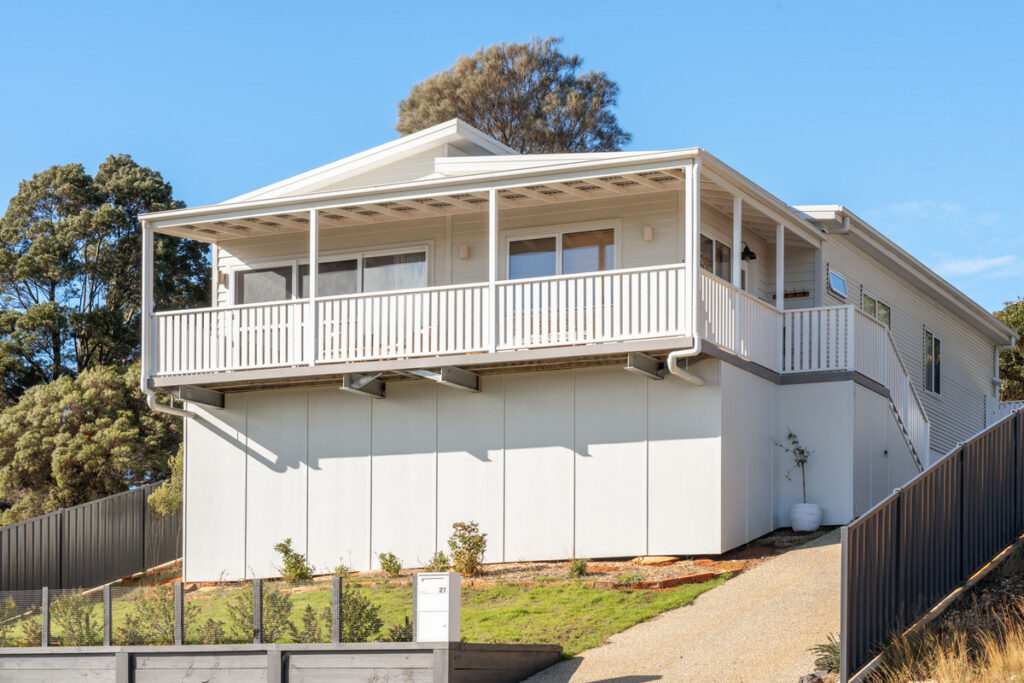


There isn’t one Hobart suburb that’s automatically the best investment.
Recent market data has shown stronger growth across some of Greater Hobart’s more affordable northern and outer areas, while parts of inner Hobart have experienced slower growth.
Rather than choosing an area based on recent growth alone, look at:
- Purchase price
- Rental demand
- Vacancy
- Property type
- Local amenities
- Future supply
- Likely tenant demographic
Speak to a professional to get more insight on up-and-coming suburbs.
What Are the Risks of Investing in Hobart Real Estate?
Like any property market, Hobart carries investment risk.
Key considerations include:
- Changes in interest rates and borrowing costs
- Periods of slower capital growth
- Property-specific maintenance costs
- Changes in rental demand
- Buying based on historical growth rather than current fundamentals
- The time it may take to sell if market conditions change
Hobart’s smaller market can also mean fewer comparable sales and lower transaction volumes than Australia’s major capitals.
Investors should consider these risks alongside their financial position and seek appropriate financial and tax advice before purchasing.
Residential vs Commercial Property Investment in Hobart

Residential and commercial property offer different investment characteristics.
Residential property generally has a lower entry point, broader tenant and buyer pools and more standardised leasing arrangements.
Commercial property tends to have longer leases and is more heavily influenced by rental income, tenant quality and lease terms. Financing and vacancy risk can also differ considerably.
Neither is inherently the better investment. The right choice depends on your budget, objectives and appetite for risk.
Is Hobart Real Estate a Good Investment?
The Hobart real estate market can offer opportunities for investors seeking rental income and long-term property ownership, particularly given the city’s tight rental conditions and limited housing supply.
But buying in Hobart isn’t enough on its own. Property type, suburb, purchase price, rental demand and your overall investment strategy will ultimately determine whether an individual property makes sense.
If you’re considering buying in Hobart, understanding how to choose a real estate agent with strong local knowledge can help you assess the market and individual opportunities more effectively.
Speak with a property specialist at Wolf Property.