Selling property in Hobart requires an understanding of local buyer demand, suburb-level pricing and current market conditions. The right sales strategy depends on your property’s location, condition and likely buyers.
This guide covers what Hobart sellers should consider before listing, from pricing and presentation to choosing a local agent. For more on the legal and conveyancing steps, see our guide to selling a house in Tasmania.
Table of contents
- What Should You Know Before Selling Property in Hobart?
- Understanding the Hobart Property Market
- How to Price Your Hobart Property
- The Best Way to Sell Property in Hobart?
- Preparing Your Hobart Property for Sale
- How Long Does It Take to Sell Property in Hobart?
- Choosing a Real Estate Agent in Hobart
- Thinking About Selling Your Hobart Property?
What Should You Know Before Selling Property in Hobart?
What Makes Hobart’s Property Market Different?
Hobart is a small, tightly held market where fewer properties change hands than in the larger capitals. This means each comparable sale can carry more weight when setting a price.
Geography also limits supply. Set between kunanyi/Mount Wellington and the River Derwent, the city has limited flat land for new housing. This restricts where new homes can be built, leaving many buyers looking at established properties.
What Should Sellers Understand About Local Buyer Demand?
Hobart’s buyers include owner-occupiers, downsizers, investors and people relocating from interstate, each with different priorities.
Mainland buyers remain an important part of Tasmania’s property market. According to the Real Estate Institute of Tasmania’s 2025 market results, mainland purchases increased by 43.6% in 2025, with 1,886 transactions recorded.
The federal government’s May 2026 changes to negative gearing and capital gains tax have also changed the outlook for property investors, particularly those considering established homes. Further details are available from the Australian Treasury.
Understanding who is most likely to buy your property helps determine how it should be priced, presented and marketed.
What Costs Are Involved?
The main costs of selling property in Hobart include agent commission, marketing, conveyancing and any applicable mortgage discharge fees.
Marketing costs can vary depending on the photography, advertising and presentation required. Ask your agent for a clear breakdown of these expenses before agreeing to a campaign.
If you’re selling an investment property, speak with your accountant about potential capital gains tax obligations before listing.
For a more detailed breakdown, see our guide to real estate agent costs in Hobart.
Understanding the Hobart Property Market
Hobart dwelling values eased 0.5% in September 2026, according to Cotality’s October 2026 Home Value Index, a milder fall than the 1.1% decline nationally. Over the year, Hobart values were still up 7.0%, with a median dwelling value of around $741,000.
However, higher interest rates and weaker confidence have reduced buyer demand, and buyers have more choice and less urgency than earlier in 2026.
How Do Conditions Vary Between Hobart Suburbs?
Growth has been uneven across Greater Hobart. The following annual changes in dwelling values up to September 2026 were attributed to Cotality in the original market analysis:
- Hobart North West: up 12.8%
- Brighton: up 12.6%
- Sorell and Dodges Ferry: up 10.0%
- Hobart North East: up 6.6%
- Hobart South and West: up 6.2%
- Hobart Inner: up 1.5%
The more affordable northern and outer areas have led growth, while the inner city has been much flatter.
These differences highlight why Hobart-wide trends shouldn’t be used to value an individual property. A home in Sandy Bay may face different buyer demand and competition from one in Glenorchy or Sorell.
Recent comparable sales within the relevant suburb and property category provide a more useful starting point.
What Influences Property Prices and Buyer Competition?
Hobart property prices for an individual home are shaped by:
- Location: access to the CBD, schools, transport and proximity to the water
- Property type: houses compared with units and townhouses
- Condition: how much work a buyer would need to take on
- Price point: buyer numbers can thin out at the upper end
- Competing stock: how many similar properties are listed at once
How to Price Your Hobart Property
How Should an Appraisal Be Determined?
A property appraisal in Hobart should be based on recent comparable sales, current listings and the property’s condition, adjusted for what buyers are paying now.
Ask the agent to show you the sales behind their figure. An inflated appraisal can lead to a longer campaign and price reductions later.
Why Are Comparable Local Sales Important?
In a market of Hobart’s size, a suburb may record only a handful of truly comparable sales over several months.
An agent needs to know the detail behind each one, including the property’s condition, aspect, location and timing of the sale.
Two homes on the same street can achieve different prices, so the comparison needs to go beyond the sale figure alone.
The Best Way to Sell Property in Hobart?

When Might an Auction or Private Treaty Be Appropriate?
Auction can suit properties likely to attract strong competition or those that are hard to price because few comparable sales exist. It sets a fixed date and encourages buyers to put their best offer forward.
Private treaty, where the property is listed with an asking price or price guide, gives sellers more room to negotiate. It can also suit a softer market, where buyers are more cautious about committing under auction conditions.
Neither method is automatically better. The right choice depends on the property, likely buyers and current competition.
How Should the Sales Strategy Reflect the Property and Likely Buyers?
Start with who is most likely to buy. A family home in the southern suburbs will attract different buyers from an inner-city apartment or an entry-level home in the north.
Selling real estate in Hobart well means matching the sale method, pricing and marketing to that buyer.
A good agent should be able to explain why they’re recommending a particular approach rather than applying the same campaign to every property.
Preparing Your Hobart Property for Sale
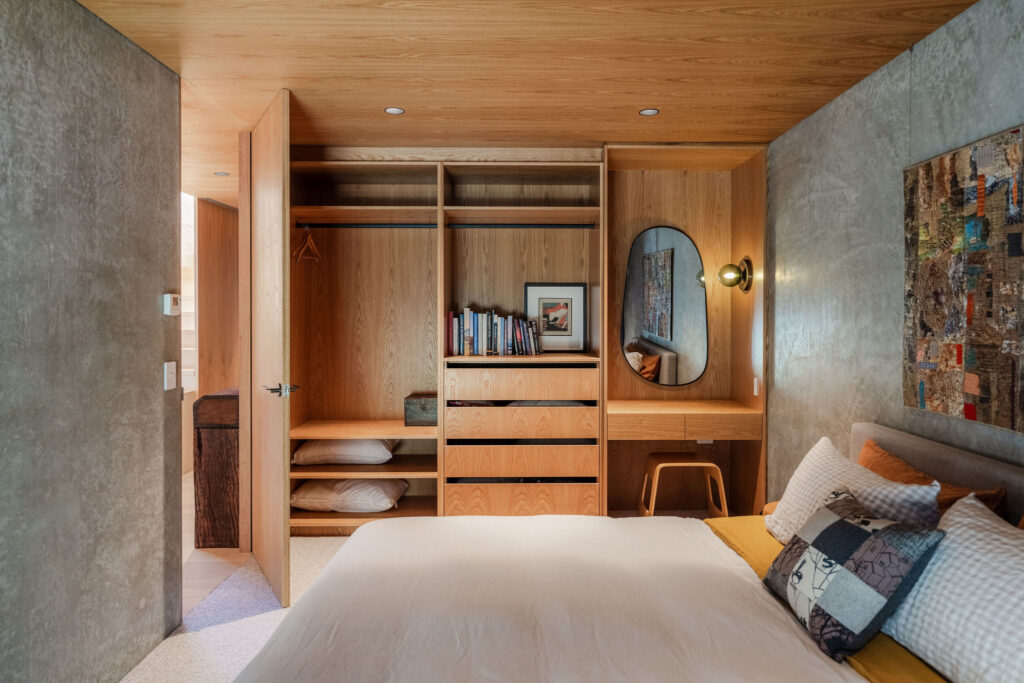
What Improvements and Presentation Considerations Matter?
When selling a house in Hobart, focus on work that removes reasons for buyers to reduce their offer. Major renovations carry more risk, as the cost may not be recovered.
Priorities usually include:
- Repairs: addressing visible maintenance issues
- Paint: fresh, neutral colours where walls are tired
- Street appeal: tidy gardens, entrances and facades
- Heating: buyers inspecting in cooler months notice how well a home holds warmth
- Styling: decluttering to show space and natural light
Not every property needs professional styling or major improvements. The aim is to present the home well without spending more than the likely return.
How Should Marketing Appeal to Local and Interstate Buyers?
Local buyers usually inspect in person, often more than once. Interstate buyers may rely on photography, floor plans and video walkthroughs, and some may buy without visiting.
Accurate descriptions and information on the surrounding area help buyers who are unfamiliar with Hobart.
Good marketing should give both groups a clear understanding of the property before they inspect or make an enquiry.
How Long Does It Take to Sell Property in Hobart?
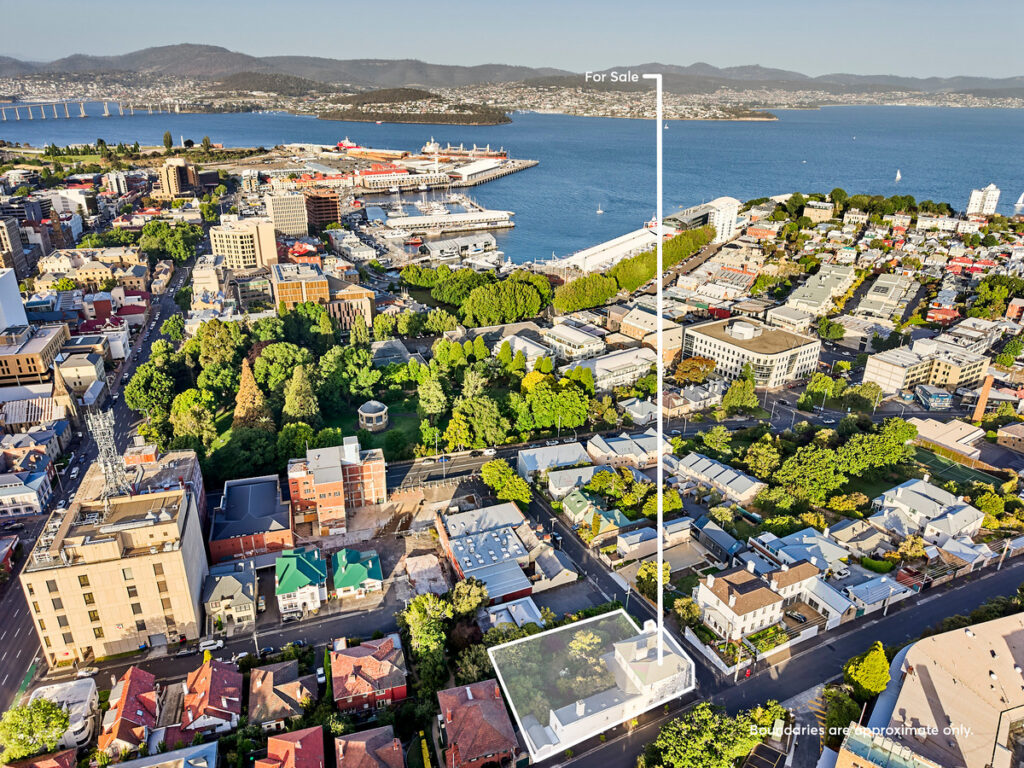
Time on the market depends on the property, the price and conditions. According to Cotality’s October 2026 market report, homes across the capital cities took a median of 39 days to sell in September 2026, up from 23 days a year earlier.
This is a combined capital-city figure rather than a Hobart-specific selling timeframe, but it illustrates how selling conditions have slowed nationally.
What Influences Time on Market?
- Pricing: a property priced above recent comparable sales will usually take longer to sell
- Presentation: how the property photographs and inspects
- Competing listings: how much similar stock is available
- Market conditions: interest rates and buyer confidence
How Do Pricing and Suburb Affect the Timeframe?
A property priced in line with the market often draws the most enquiry in the first weeks of a campaign. Overpricing at the start can lead to a longer campaign and price reductions.
Suburbs with strong demand and few listings may also move faster than parts of the Hobart property market where buyers have more choice.
Choosing a Real Estate Agent in Hobart

Why Does Local Experience Matter?
In a small market, an agent’s knowledge of individual suburbs, recent sales and active buyers directly affects pricing and negotiation.
A real estate agent in Hobart should be able to explain how and why nearby properties were sold, as well as what they sold for.
Our guide to what makes a good real estate agent in Hobart covers the qualities to look for.
What Should Sellers Consider When Comparing Agents?
Compare two or three agents on the same factors to get a clearer picture of what each offers:
- Recent results: comparable sales in your area and how long they took
- Pricing evidence: the actual sales behind their appraisal
- Marketing plan: how they would reach local and interstate buyers
- Fees: a written breakdown of commission and marketing costs
- Communication: how often you will hear from them
The highest appraisal or lowest commission doesn’t necessarily represent the best choice. Look for an agent who can explain their recommendations and demonstrate relevant local experience.
For more detail, see how to choose a real estate agent and the questions to ask a real estate agent before you sign.
Thinking About Selling Your Hobart Property?
Every Hobart property requires a sales strategy suited to its location, condition and likely buyers. Accurate pricing, careful presentation and a clear marketing plan can make a significant difference to the selling process.
Request a property appraisal with Wolf Property to discuss your property’s value and the best approach to selling.